Spiritual Gifts are Life Gifts

Greeting beloved ones!
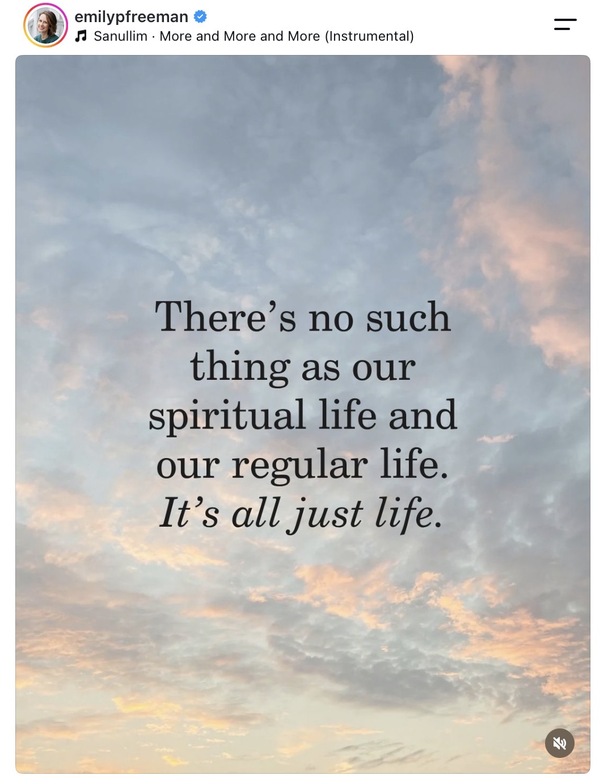
We’ve been talking a lot about spiritual gifts during this sermon series. It’s been enlightening to hear some of the spiritual gifts you see in yourself! Sometimes we can get stuck thinking gifts that are spiritual are “set apart.” What if spiritual gifts are simply the things that make us feel alive and bring joy? Or the ways we show up in life that energize us? It’s here that we are reminded that spirituality is not separate from life. Spirituality is life.
As we consider how we show up in our lives and consider our individual gifts, I’d like to offer some practical steps to identifying your spiritual gifts:
First, pray. Ask the Spirit for guidance and insight into the gifts you’ve been created to use and for more awareness of who you are. This could be through journaling, silent prayer and listening, coloring, reading scripture, etc.
Take time to notice the patterns in your life. Notice what you habitually do or how you choose to spend your time. Notice what roles you tend to take on in work or social environments. Notice where you think “I could do that” or “I have an idea of how that could be more impactful.” You may begin to see patterns or similarities!
Seek feedback from those around you. Ask your friends, coworkers, and mentors what strengths and patterns they see in you. Oftentimes, those around us can recognize strengths in you that you may overlook yourself.
Take an assessment. We’ve been referencing this Spiritual Gifts Assessment from the United Methodist Church. It can be a simple place to start if you answer the questions honestly.
You may have a gift not on the UMC spiritual gifts assessment. Examples might also include:
Hosting a party
Gathering people together
Music making
Cooking/Baking
Organizing space
Communicating
Meeting and welcoming others
Finances
Spiritual and social openness
Art and graphic design
Etc
The possibilities are endless!

Our Sunday Soul Care group began exploring our possible spiritual gifts by first noticing what shimmered for us. We then took the UMC Spiritual Gifts Assessment and shared our results within the group. We noticed several patterns and found places to start on our individual journeys!
Lastly, take a risk and jump into serving! Our gifts can grow and become clearer through active, humble practice rather than waiting around to be asked. If you start serving somewhere and you realize it’s not the right fit, you can bow out, change directions, and start again! Remember, you can begin again as many times as you need as you seek the service that feels most aligned with who you are and what you offer.
Remember that assessments can be a starting place. Sometimes, our initial results may not be accurate. That’s where listening and discernment comes in. So here are three signs you have identified your spiritual gifts:
- Your service will produce fruit.
- People affirm your gifting. They may offer gratitude or tell you how they experienced your gift. Again, others can often see our gifts more clearly than we can ourselves.
- You find joy in your gift. You might feel energized or fulfilled when using your spiritual gifts. Remember, this doesn’t mean that we will always experience joy when engaged in our spiritual gifts. Sometimes annoyance and irritation can creep in but if you generally experience joy, that’s something to pay attention to.
Other things to consider:
If you don’t feel joy in something, it may not be your spiritual gift. For me, when I start to feel annoyed or irritated or think “I should do this even though I don’t really want to” with something it’s quite likely it’s not actually mine to do. Our bodies and emotions often tell us what is aligned with us sooner than our minds can identify.
Your gift is for the common good and a resource the whole church can rely on. Sometimes we can be tempted to keep something to ourselves when it’s likely others around us need to see our gifts.
I can offer a personal share when learning about one of my spiritual gifts as well. Approximately 15 years ago, I was tired and burnt out in my relationship with singing. I felt like I wasn’t having an impact with my music making and wasn’t enjoying the grind of showing up daily to practice and perform. I would get a lot of positive feedback from others but I never believed they truly meant what they were sharing with me. I often worried they were saying nice things because that’s what you do in the Midwest. Well, I was telling my friend about it and he shared with me some feedback I hadn’t heard before. He asked me, “do you see that people relax when you start to sing? Their shoulders drop and they sink into their chairs and become more open to listening. The gift of your voice isn’t just for you.” I hadn’t actually seen that myself so the next time I sang in public, I intentionally paid attention. He was indeed right - the audience did relax. I realized in that moment my voice and interpretation is a gift that is supposed to be shared. Singing is a way I connect with and experience the Spirit. My voice can offer comfort to those grieving and somehow it opens space within others to experience God more fully (in whatever ways that means for them.) I thank God for the people in my journey who have reminded me of this gift - the affirmations came every time I started to feel frustrated or exhausted by offering my gift. Today, I’ve learned when it’s time to take breaks from singing so I can have continual access to my gift.
And now, as a spiritual director, one of my spiritual gifts is helping others see gifts within themselves and learn to see how and where God is moving in their lives. If you’re not sure where to start, booking a session with me is a great starting point.
May you find joy, creativity, and excitement as you begin to identify your spiritual gifts!
Grace and peace,
Aliyah